

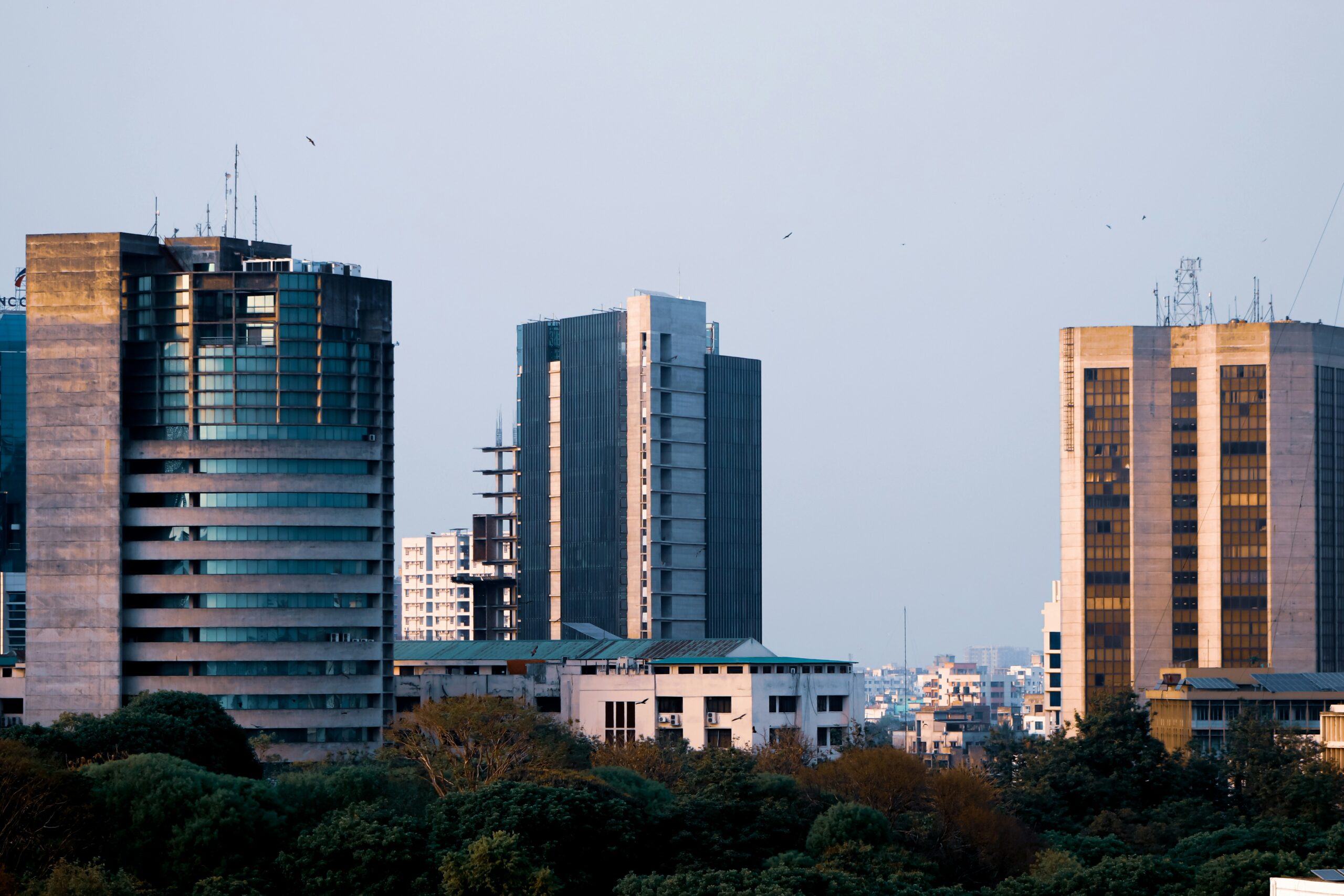
While Whitefield and Sarjapur Road remain iconic investment hubs, Bangalore’s 2025 real estate landscape is evolving beyond these well-trodden paths. The city isn’t just growing; it’s diversifying its growth corridors, offering astute investors fresh opportunities with exceptional potential. If you’re seeking alpha returns in 2025, look beyond the obvious.
Beyond the Core: Emerging Powerhouses in North & West Bangalore
The true story of 2025 lies in the suburbs transformed by infrastructure. Devanahalli, propelled by the Bengaluru International Airport expansion, continues to surge, with property values climbing 8-10% year-over-year . However, the real excitement is radiating further out. Areas like Nelamangala and Bagalur, now significantly closer to the airport and major tech parks, are emerging as the biggest winners of the year . These locations offer compelling entry points compared to saturated core zones, attracting both end-users and institutional investors seeking value appreciation.
Similarly, North Bangalore is undergoing a renaissance. Hebbal and Yelahanka, long considered peripheral, are now prime targets thanks to their proximity to upcoming metro corridors and connectivity upgrades . The anticipated extension of Namma Metro Phase 3 towards Attibele promises to unlock immense value along this axis . Properties within a 500-meter radius of new metro stations have historically seen a 20-40% increase in value , making these areas strategic buys for long-term wealth creation.
The East Bangalore Evolution: KR Puram & Varthur Take Center Stage
East Bangalore’s narrative is shifting. While Whitefield and Electronic City retain strong demand, KR Puram and Varthur are rapidly gaining traction as the next generation of high-growth micro-markets . Improved road networks and enhanced public transport links are making these areas more accessible, appealing to professionals working across the eastern tech corridor. Property prices here range from ₹5,000 to ₹13,200 per sq.ft., presenting a significant opportunity for those seeking affordability without sacrificing growth potential . The market dynamics here reflect a move towards integrated townships, blending residential, retail, and recreational spaces – a trend that resonates strongly with modern buyers.
Policy Tailwinds: Karnataka’s Strategic Push for Growth
Karnataka’s government is actively shaping a favorable environment for real estate. A key catalyst is the stamp duty reduction for affordable housing units, slashed from 5% to 3% for properties priced between specific thresholds . This policy directly boosts buyer affordability and stimulates demand at the entry-level segment, which often has the highest rental yields. Furthermore, the launch of the Affordable Housing Policy 2025 and initiatives like Angikaar 2025 aim to accelerate PMAY-U 2.0 alignment, ensuring a steady pipeline of compliant, quality housing projects . The state’s focus on integrated planning and sustainable development adds another layer of confidence for long-term investors .
Why 2025 Demands a Broader Strategy
Investing in Bangalore today requires moving beyond the classic “Big 3” (Whitefield, Sarjapur, Electronic City). The city’s strength lies in its multi-polar growth model. Tech talent flows into numerous clusters, not just one or two. Infrastructure spending is no longer confined to the center; it’s strategically expanding outward to decongest the core and connect satellite towns . This decentralization creates pockets of undervalued land ripe for appreciation.
The combination of robust IT-driven demand, tangible infrastructure progress like metro expansions , and proactive, supportive government policies makes Bangalore’s 2025 market uniquely resilient. By identifying these emerging hotspots – whether it’s the airport-linked corridors of North Bangalore or the transit-oriented developments in the East – investors can position themselves not just for growth, but for outsized returns in the years ahead. The time to explore these hidden gems is now.